- Written by: ameesha foundation
- January 27, 2025
Exclusive Breastfeeding Support Program in Taraba State
Empowering 470 Mothers in Zing LGA with Knowledge for Healthy Infant Nutrition
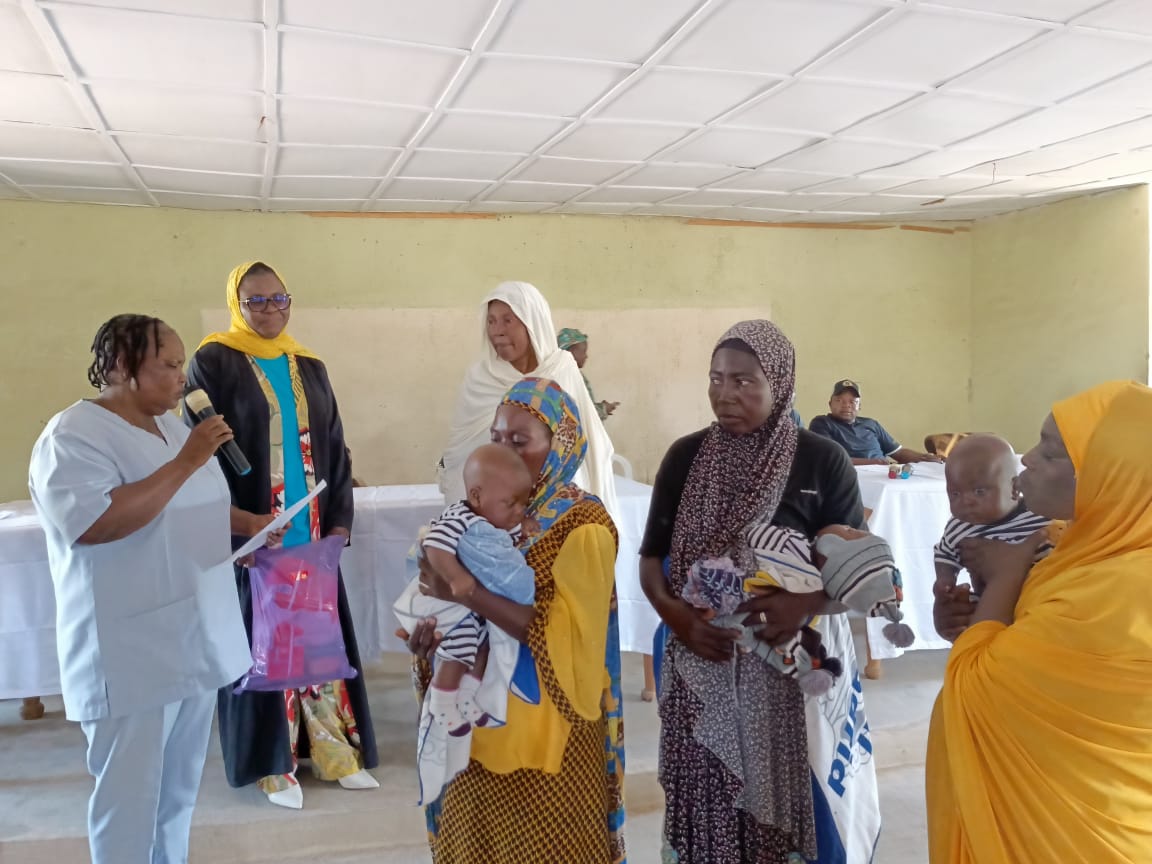
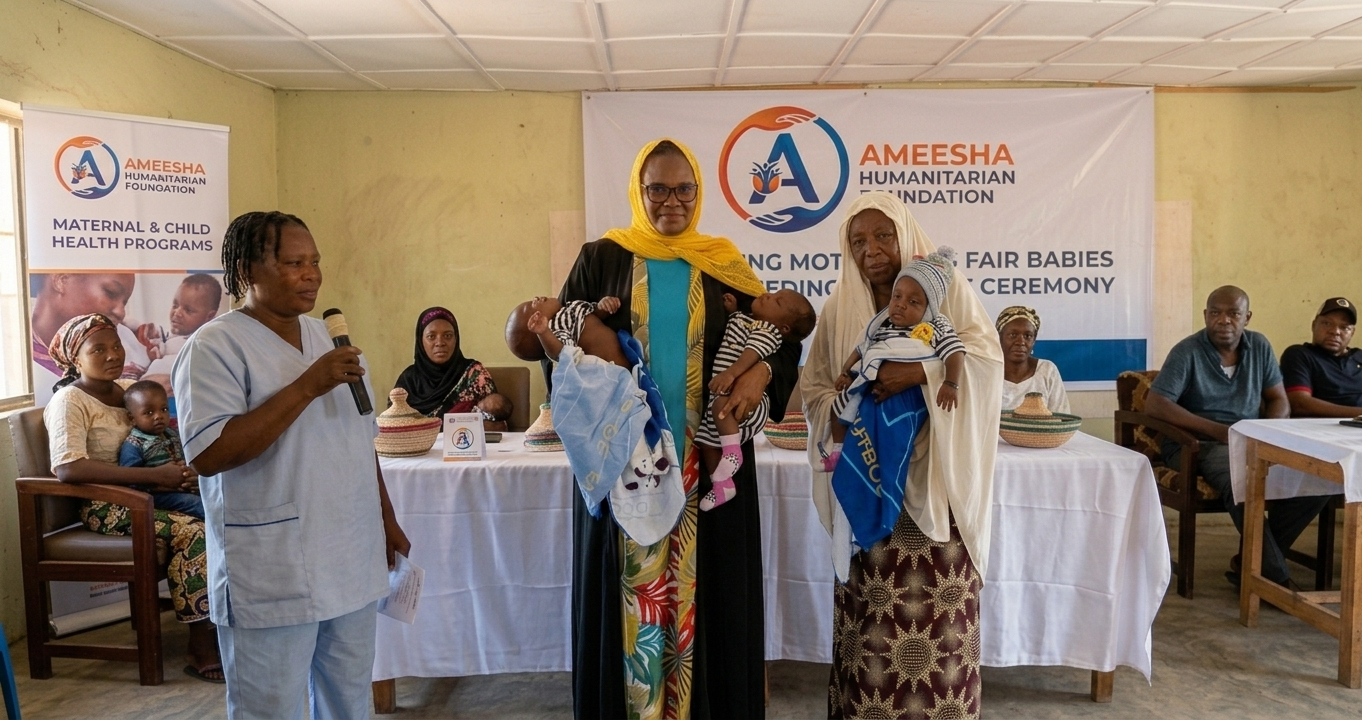
On August 6, 2024, Ameesha Humanitarian Foundation carried out an exclusive breastfeeding support program in Taraba State, reaching about 470 breastfeeding mothers in Zing Local Government Area.
In many rural communities, breastfeeding is something most mothers practice, but not always with the right information or support. Some rely on cultural advice passed down through generations, while others simply try their best without clear guidance on what is actually healthiest for the child.
This program was designed to support mothers with simple, practical knowledge they can use in their everyday lives.
The sessions focused on exclusive breastfeeding during the first six months of life — what it means, why it matters, and how it directly impacts a child’s survival, growth, and long-term health. Mothers were taught how breast milk alone provides the right nutrition, strengthens immunity, and builds a strong bond between mother and child.
But beyond the science, the conversations were very real and personal.
Many mothers spoke openly about the challenges they face — difficulty with latching, tiredness, pressure to introduce other foods early, and sometimes cultural beliefs that make exclusive breastfeeding harder to practice. These discussions made the sessions more than just teaching moments; they became shared experiences.
Health educators took time to respond to questions in a calm and practical way, showing mothers that these challenges are common and manageable with the right support. The environment was open, supportive, and respectful, allowing mothers to speak freely without judgment.
For many of them, it was not just information they were receiving, but reassurance.
This breastfeeding support program in Zing LGA is part of Ameesha Humanitarian Foundation’s broader commitment to maternal and child health in underserved communities. The focus is simple — give mothers the knowledge they need, and children get a better start in life.
Because when a mother is supported, the child is supported too.
And when that support reaches more homes, stronger communities begin to form quietly, one family at a time.