
- Written by: ameesha foundation
- May 25, 2026
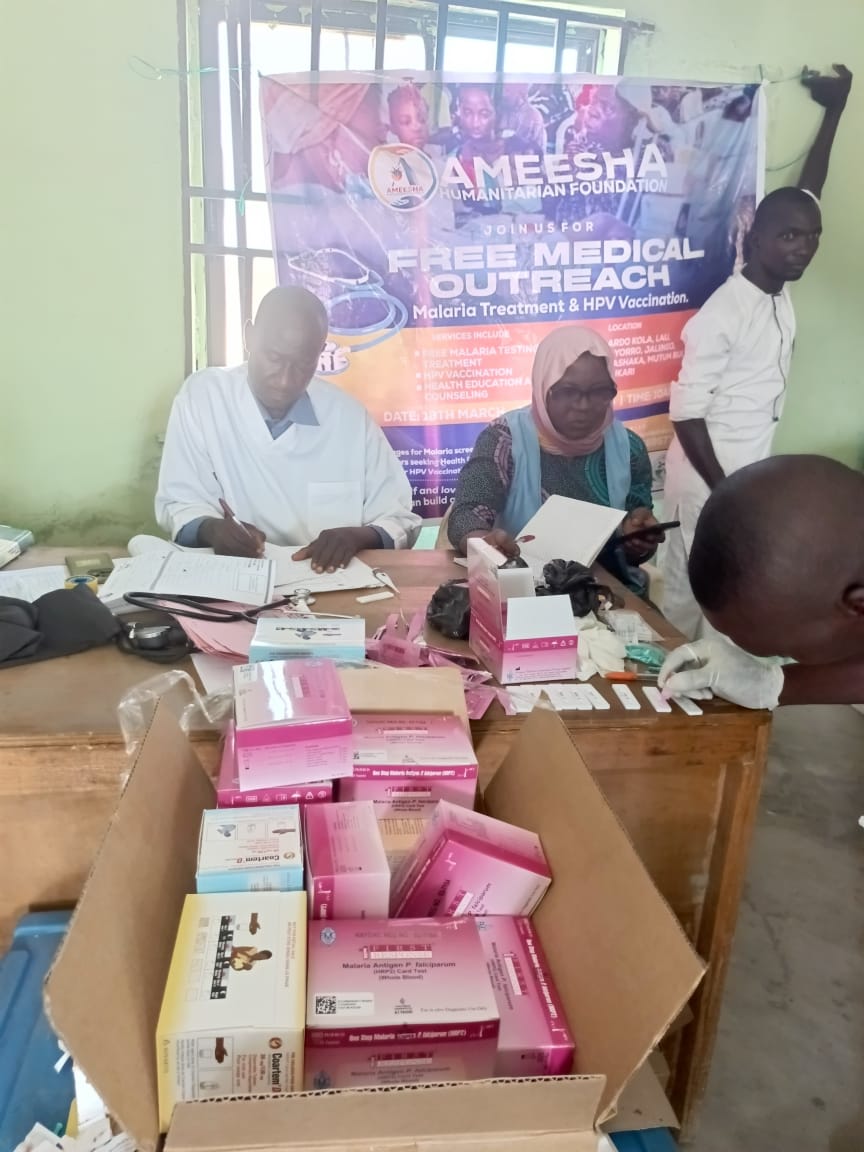
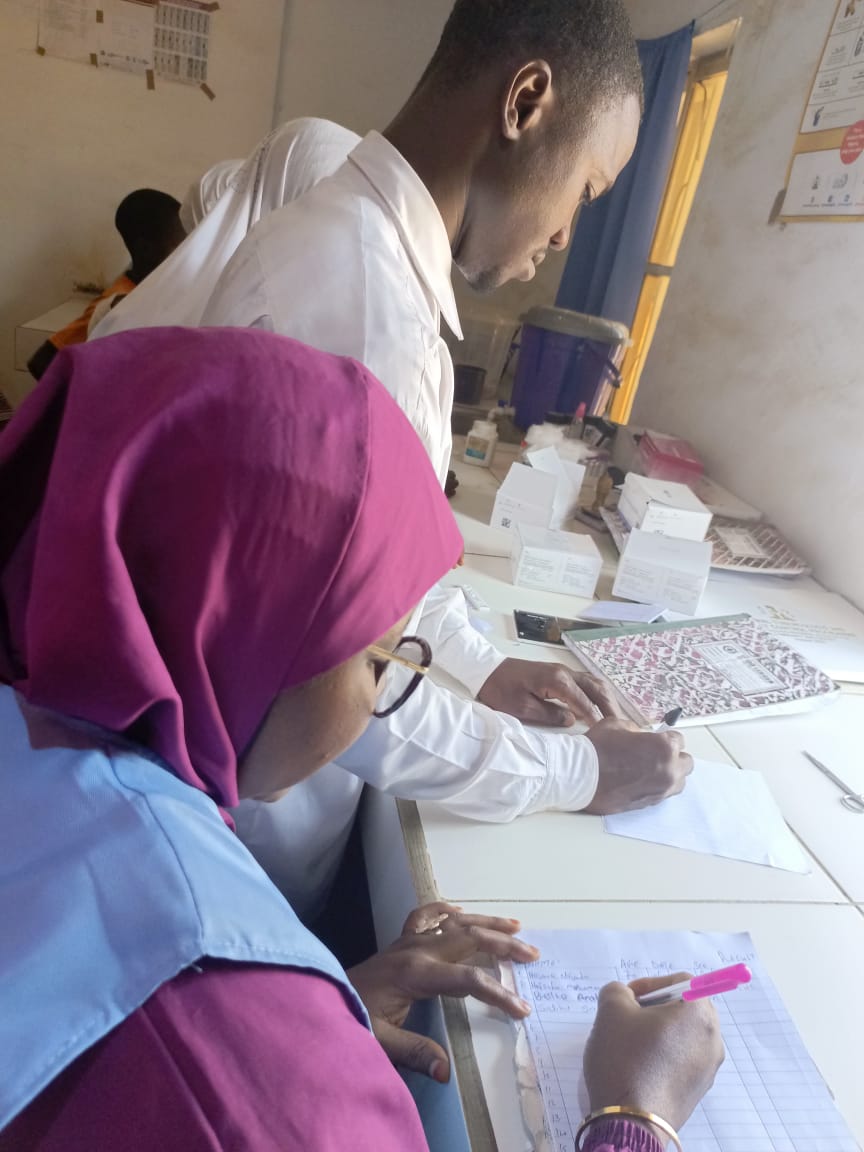
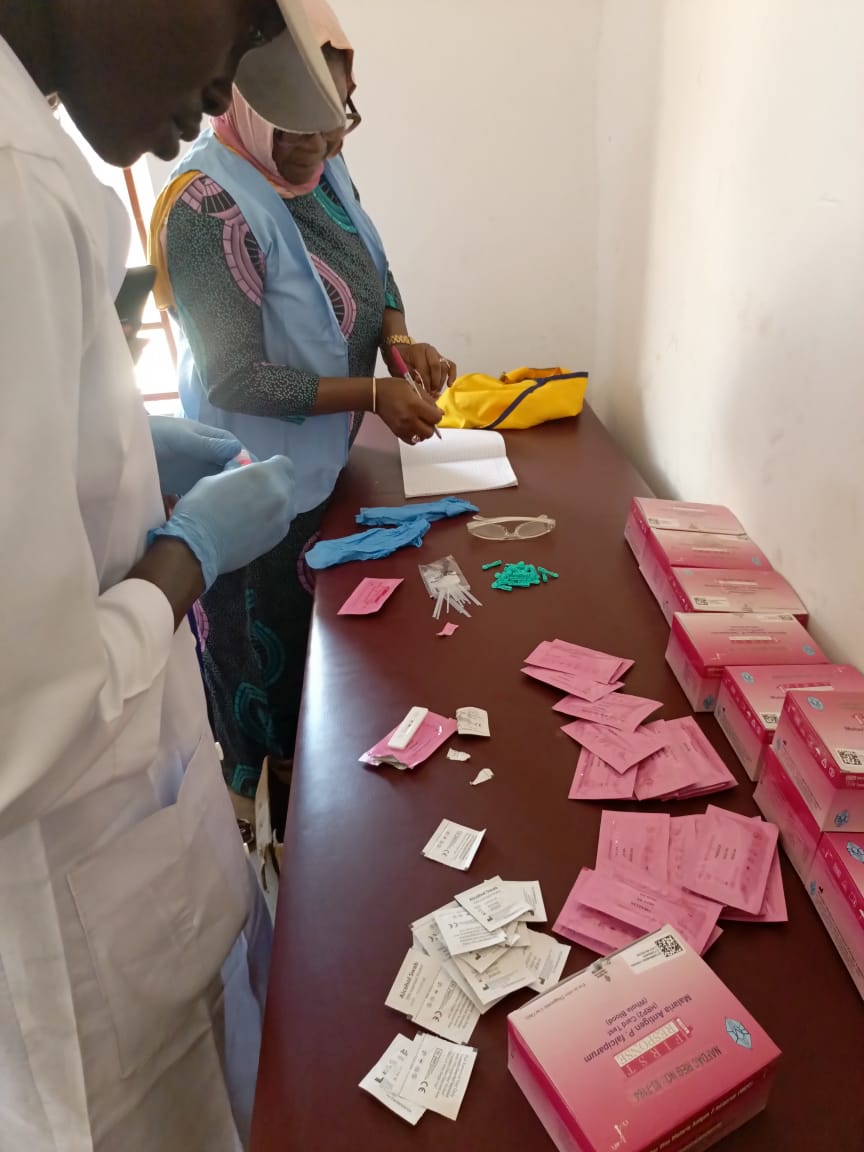
Combating Malaria and Cervical Cancer: Community Health Outreach for Girls
In many rural communities, illnesses that are preventable still take a heavy toll on families. Malaria remains one of the most common health challenges, while cervical cancer continues to affect women and girls silently, often because of late awareness or lack of access to preventive care.
This is what makes community health outreach programs so important. They bring information, screening, and care directly to the people who need it most, especially young girls who are just beginning to understand their health and bodies.
Through this outreach, adolescent girls were engaged in a simple but very important conversation around malaria prevention and cervical cancer awareness. For many of them, it was the first time hearing clearly how these conditions can be prevented or detected early.
The malaria sessions focused on everyday protection methods such as sleeping under treated mosquito nets, keeping surroundings clean, and recognizing early symptoms before the illness becomes severe. It may sound basic, but in reality, these small habits save lives when they are properly understood and practiced.
Alongside this, the cervical cancer awareness sessions helped girls understand something many had never been taught before — that prevention and early detection matter. They were guided on the importance of HPV vaccination, personal health awareness, and why regular health checks can make a difference later in life.
What made the outreach meaningful was not just the information itself, but the way it was shared. The sessions were interactive, with space for questions, discussions, and honest conversations. Many of the girls asked questions they had never felt comfortable asking before, and the atmosphere made it easier for them to learn without fear or embarrassment.
Health education like this is often the first step in changing outcomes. When girls are informed early, they grow up with better awareness of their bodies, better health choices, and a stronger sense of responsibility for their well-being.
This outreach is part of a wider commitment to improving adolescent health in underserved communities. It is about reaching girls where they are, not waiting for them to find information on their own, and making sure that prevention becomes part of everyday knowledge.
Because when young girls are informed and protected, the future of entire communities becomes healthier and stronger.