- Written by: ameesha foundation
- May 31, 2026
On World Day Against Trafficking in Persons 2025: Stories, Warnings, and the Quiet Fight for Freedom
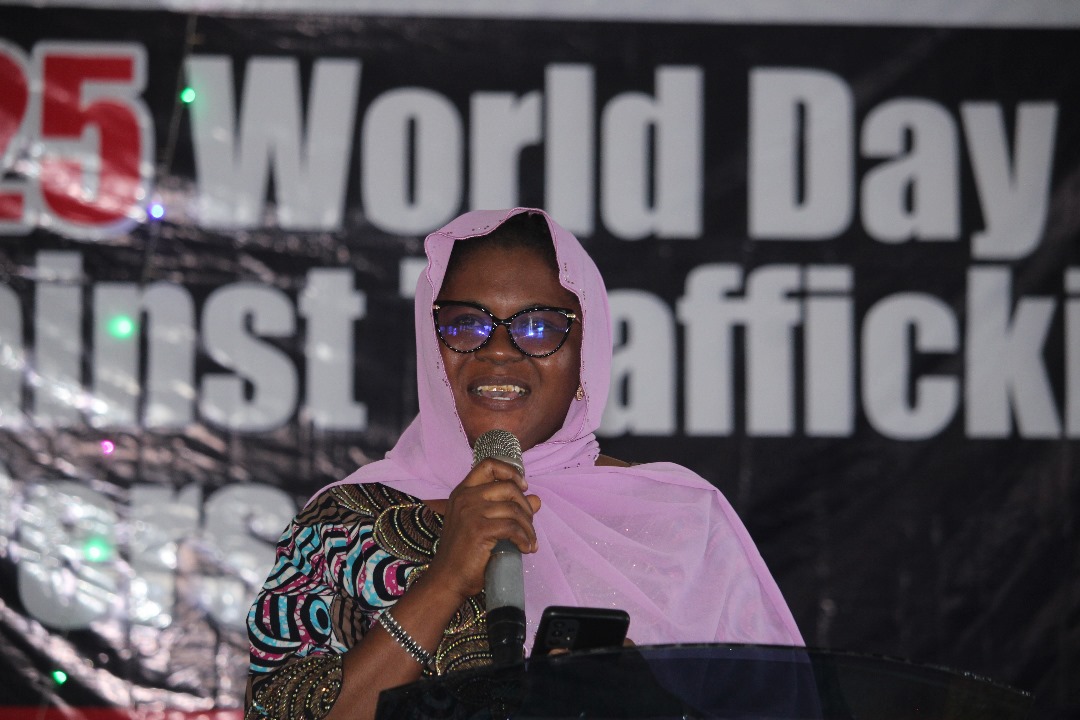
On a humid Wednesday morning, conversations around World Day Against Trafficking in Persons did not feel like speeches or formal campaigns. They felt quieter than that, almost like warnings people have learned to say softly because the reality is heavy.
In different spaces such as schools, community gatherings, and small awareness discussions, the same concern kept surfacing. Trafficking in persons is still happening and it is still catching people off guard.
Most times, it does not start with fear. It starts with hope.
A better job. A chance to travel. A promise of something bigger than what life currently offers.
And that is where many stories begin to change.
Across accounts shared by community workers and advocates, a familiar pattern appears again and again. Someone is offered an opportunity that feels too good to question. A job in another city. Help with relocation. A contact who knows someone.
At first, everything looks normal.
Then distance grows. Control increases. Communication becomes restricted. Gradually, the person who left home with excitement realizes they are no longer free to make choices on their own.
By then, the situation is already difficult to reverse.
The people most affected are rarely reckless. They are often simply trying to move forward in life.
Young people searching for work. Women trying to secure safer livelihoods. Families hoping for stability. Migrants looking for a fresh start.
Hope is what connects them. And hope, when exploited, becomes a weapon.
In conversations held during today’s awareness efforts, another theme kept coming up. The warning signs are often there, but they are easy to miss when no one is looking closely.
A person who seems afraid to speak freely. Someone who is constantly accompanied. Individuals who do not control their own documents or money. Or cases where someone appears withdrawn, as though they have learned that silence is safer.
Sometimes there is no obvious sign at all. Only a feeling that something does not sit right.
What stands out most in discussions is how often trafficking could be disrupted early if more people felt confident enough to ask questions.
Is this opportunity verified? Who is offering it? Why is travel being rushed? Where is the contract or agreement?
Simple questions, but often ignored in moments of urgency or desperation.
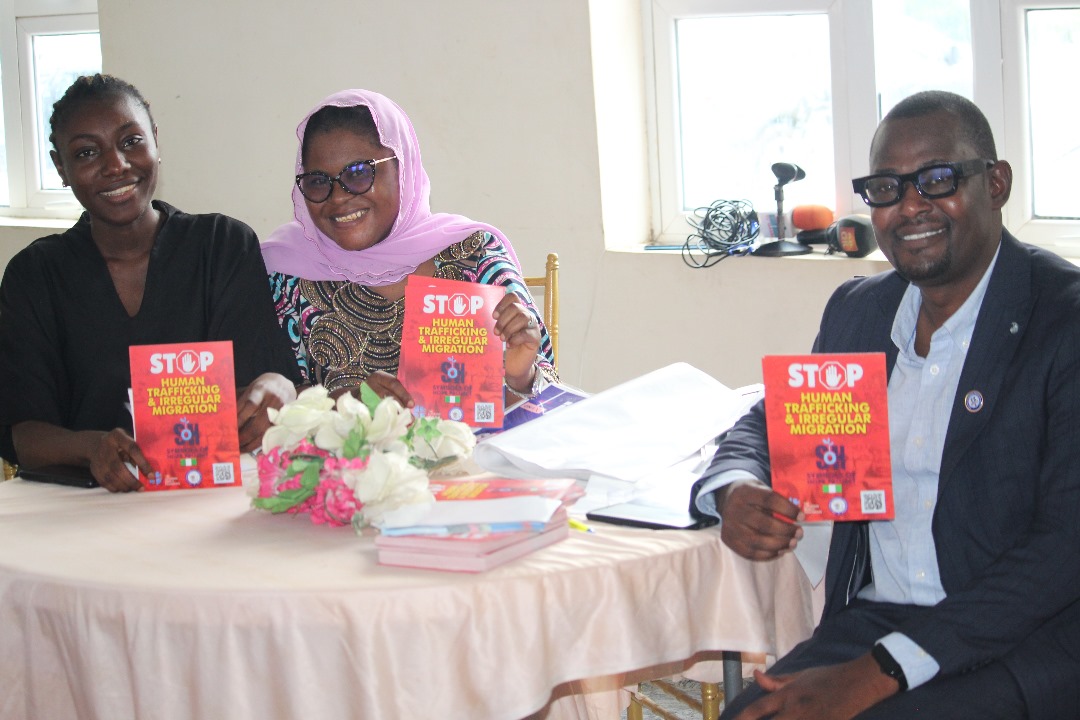
Community members and advocates today spoke less about fear and more about responsibility. Shared responsibility. Teachers, parents, neighbours, and friends all have a role in noticing, asking, and speaking up when something feels wrong.
But beyond awareness, there is also the harder conversation, what happens after.
Survivors do not simply return to normal life. Many carry experiences that change how they see trust, safety, and even opportunity itself. That is why support systems, emotional, social, and economic, matter just as much as prevention.
Without them, vulnerability begins again in another form.
As the day comes to a close, what remains is not a slogan or a campaign message, but a quieter understanding.
Trafficking does not always look like crime at first glance. Sometimes it looks like opportunity. Sometimes it looks like help. Sometimes it looks like a way out.
And that is why attention matters so much.
Because somewhere at this very moment, someone is making a decision based on trust. And whether that decision leads to safety or danger may depend on whether someone else takes a moment to question what looks too easy, too fast, or too perfect.
Not just today, but every day after it.